Centralized Data Management: CRM allows businesses to store and manage customer data in a centralized database. This enables sales and marketing teams to access and analyse customer information easily, leading to a better understanding of customer needs and preferences.
Improved Lead Management: CRM systems provide tools to track and manage leads effectively. Sales representatives can track the progress of leads, prioritize them, and allocate resources accordingly. This helps in targeting the right prospects, increasing sales efficiency, and reducing the cost of acquiring new customers.
Enhanced Communication and Collaboration: CRM platforms offer features like shared calendars, task management, and communication tools. These facilitate better coordination between sales and marketing teams, ensuring they work together seamlessly. Improved collaboration leads to increased productivity and reduced operational costs.
Automation of Sales and Marketing Processes: CRM software automates various sales and marketing activities, such as lead nurturing, email campaigns, and follow-ups. This automation helps streamline processes, reducing manual effort, and minimizing the chances of errors. It also saves time and reduces operational costs.
Personalized Marketing Campaigns: By leveraging customer data stored in CRM systems, businesses can create personalized marketing campaigns. Segmentation and targeting based on customer preferences and behaviour result in more effective marketing strategies. This reduces wasteful spending on generic marketing efforts and increases the return on investment.
Improved Customer Service: CRM systems provide a comprehensive view of customer interactions and history. This enables sales and customer service representatives to provide personalized and timely support, leading to higher customer satisfaction and loyalty. Satisfied customers are more likely to make repeat purchases, reducing the cost of acquiring new customers.
Analytics and Reporting: CRM platforms offer robust analytics and reporting capabilities. Sales and marketing teams can analyse data to identify trends, measure campaign effectiveness, and make informed decisions. This data-driven approach helps in optimizing sales and marketing strategies, reducing costs, and maximizing revenue.
In summary, CRM technology can transform sales and marketing processes by centralizing data, improving lead management, enhancing communication, automating tasks, enabling personalized marketing campaigns, improving customer service, and providing valuable analytics. These transformations ultimately lead to reduced operational costs and increased efficiency and profitability.
Stay current with our insights
One monthly email. Banking, insurance, AI/ML and CRM field notes. No spam.
We respect your privacy. Read our Privacy Policy.
Keep reading
More from CRM
CRM
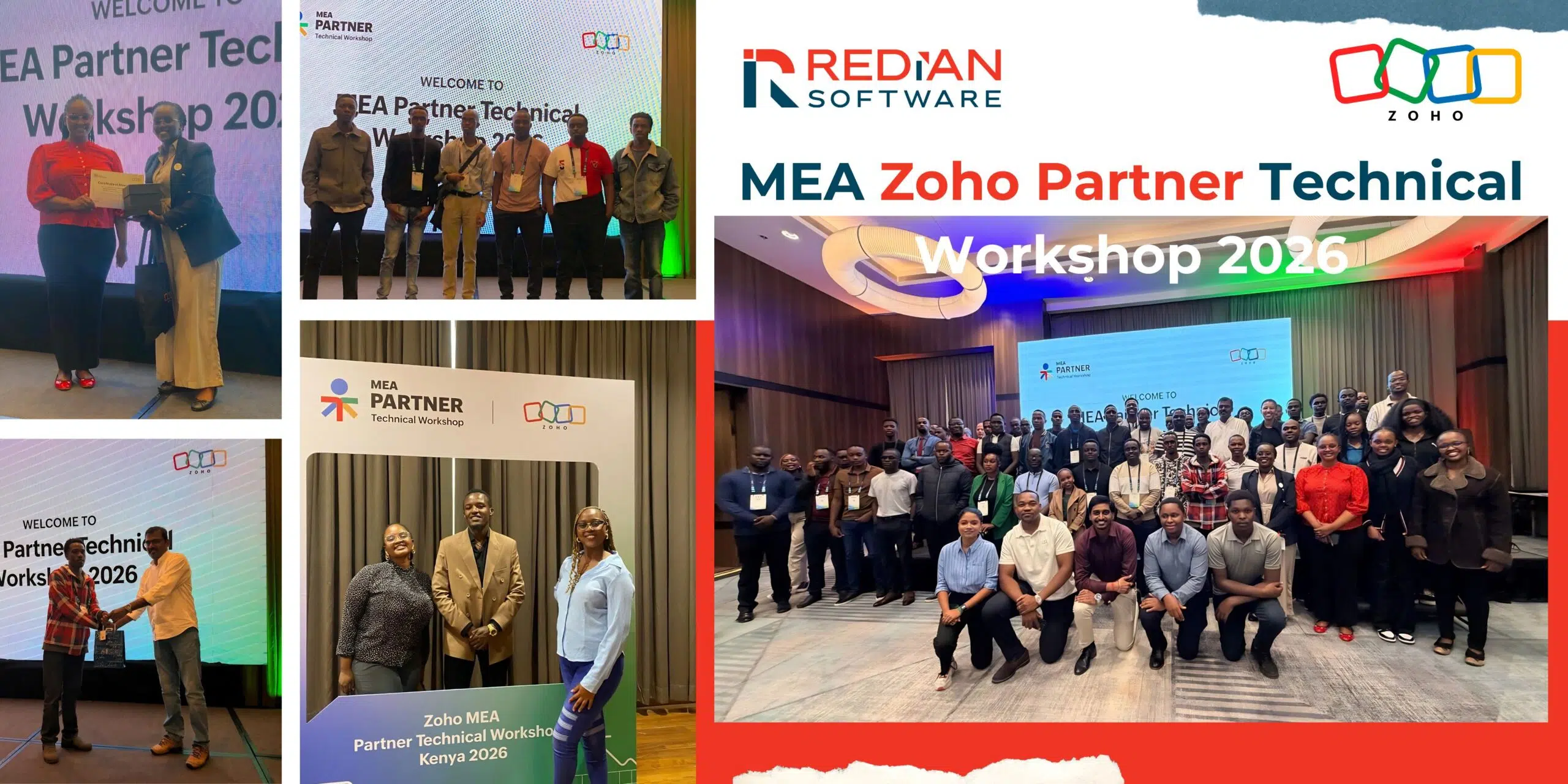
MEA Zoho Partner Technical Workshop 2026: 7 Game-Changing Takeaways
Discover 7 powerful insights from the MEA Zoho Partner Technical Workshop 2026 in Nairobi. Learn how Zia Agents, agentic automation, and Zoho RPA are transforming business operations across Africa. By Redian Software, Advanced Zoho Partner
19 May 2026

CRM
Data privacy in CRM — why SuiteCRM is ideal for regulated industries
For banks, insurers and fintechs, data sovereignty isn't optional. Why open-source SuiteCRM remains the right call for regulated CRM workloads.
06 Apr 2026
CRM
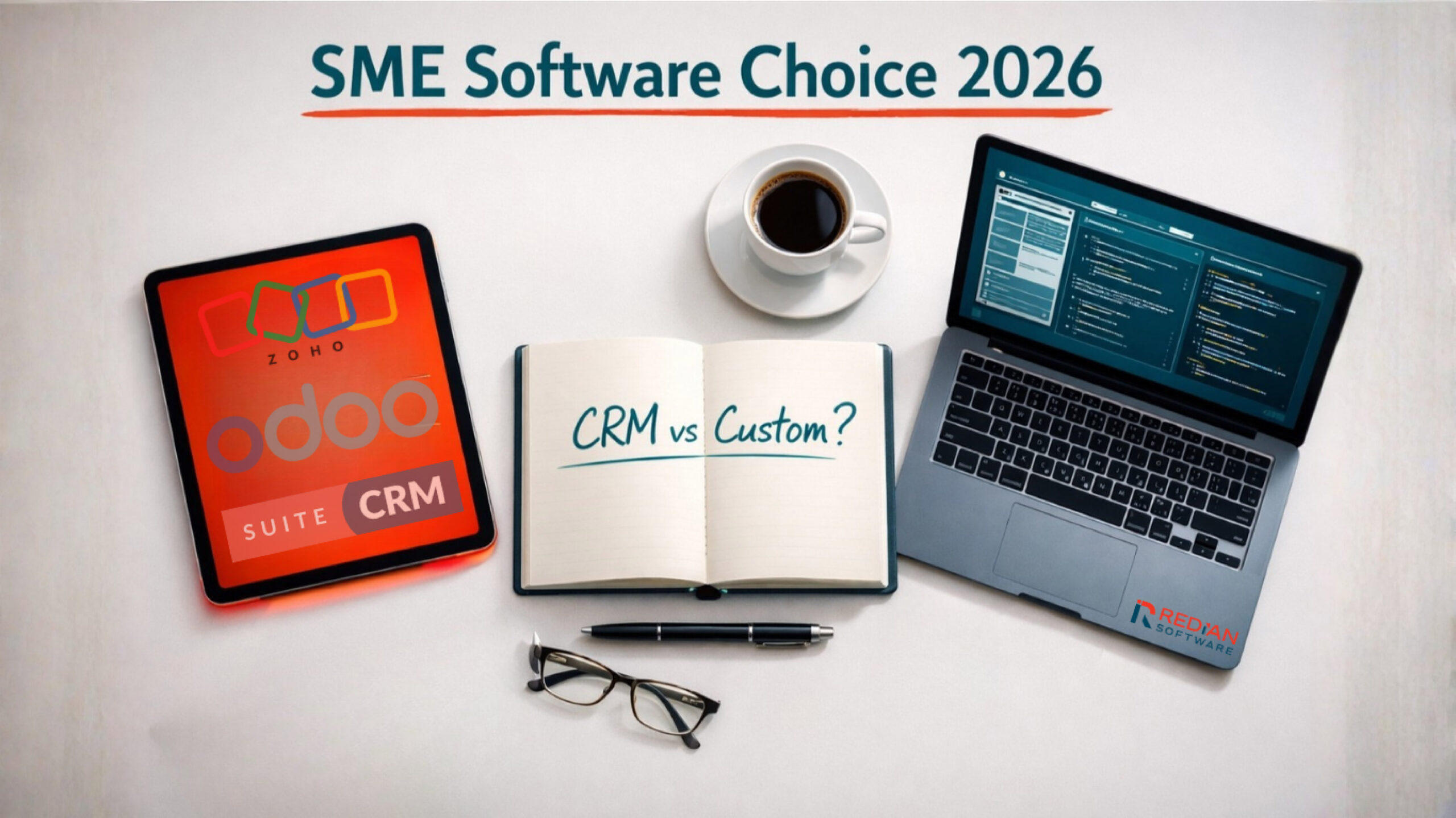
CRM vs custom software — Zoho, Odoo, SuiteCRM guide for SMEs
The 2026 decision tree for SME and mid-market: when to pick CRM platforms (Zoho, Odoo, SuiteCRM) and when to build custom software instead.
29 Jan 2026
Build with Redian
Have a similar build in mind?
We've shipped crm systems for banks, insurers, brokers, MFIs, SACCOs and enterprises across the USA, UK, Africa, UAE and India. Book a 30-min call with a senior engineer — no pitch deck, just a sharp first read on your initiative.
- CMMI Level 3 Appraised · ISO Certified delivery
- 1 business day response · NDA on request
- Senior engineers, not sales — first call